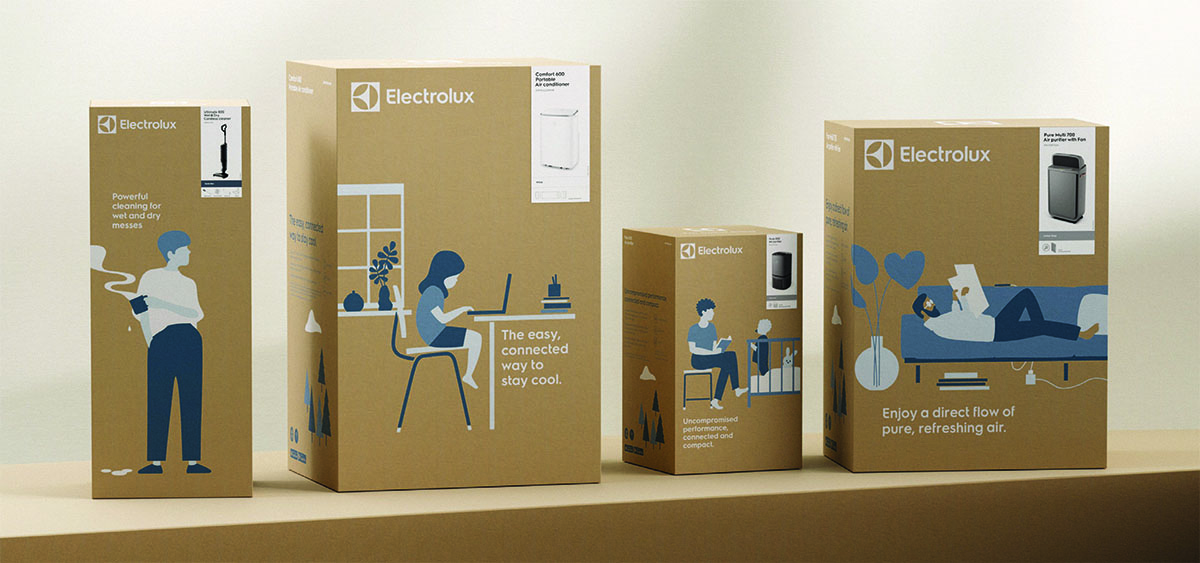
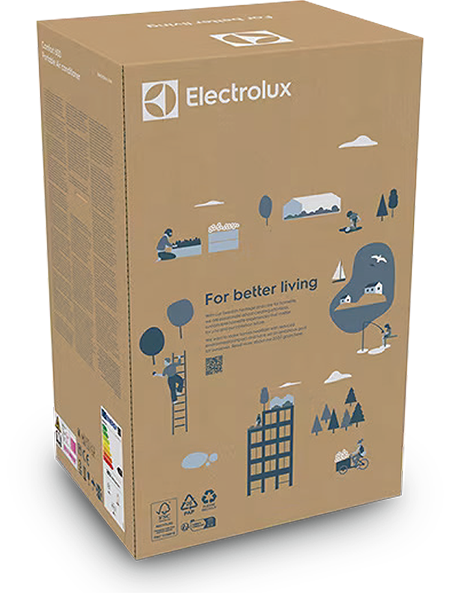
Electrolux, a leading manufacturer of home and professional appliances, embarked on an ambitious journey to reimagine its packaging strategy for large appliances. The initiative aimed at reducing the environmental impact of packaging while ensuring the safety and integrity of its products. The project, led by a dedicated team, sought to replace traditional Expanded Polystyrene (EPS) packaging with paper-based materials. However, the transition highlighted unforeseen challenges and complexities in sustainable packaging practices.
Challenge
The primary challenge for Electrolux was to find a packaging solution that balanced environmental sustainability with the practical need to protect large, heavy, and fragile appliances during transport. The team initially focused on substituting EPS with paper-based materials, assuming this would lower the carbon footprint and waste generated by packaging. However, this approach encountered significant obstacles:
 |
Increased Environmental Impact: Contrary to expectations, the shift to paper-based packaging for heavy and fragile items led to an increased carbon footprint and higher volumes of waste. The requirement for substantial amounts of cardboard to ensure product safety negated the environmental benefits. |
 |
Insufficient Protection: Packaging simulations revealed that paper-based materials alone could not adequately protect large appliances, particularly in adverse environmental conditions like high humidity. This finding underscored the need for a more nuanced approach to sustainable packaging. |
Strategy
Acknowledging the limitations of relying solely on paper-based materials, Electrolux pivoted its strategy towards integrating recycled content into a broader range of packaging materials. This approach aimed to enhance sustainability without compromising product protection. Key elements of the revised strategy included:
 |
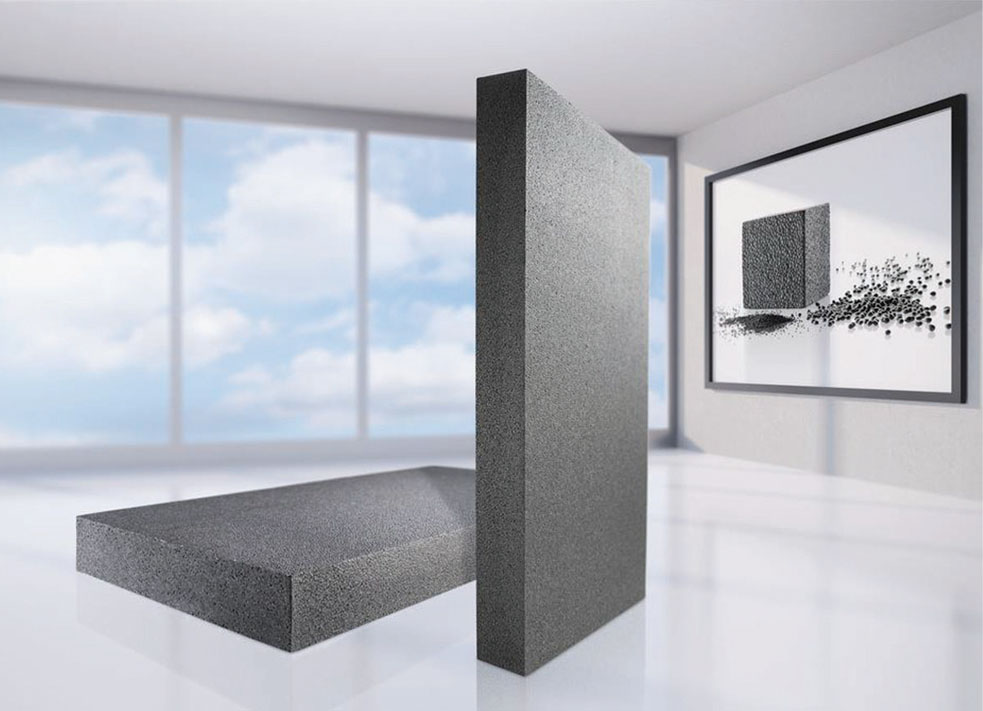
Diverse Materials with Recycled Content: The team expanded its focus to include not only cardboard but also EPS and polyethylene film, incorporating recycled content into these materials. This diversification allowed for a more flexible approach to packaging design, tailored to the specific needs of each appliance. |
 |
Rigorous Material Testing: Transitioning to new materials with recycled content required extensive testing and refinement. The team worked diligently to adjust material formulations to retain protective qualities, ensuring that sustainability enhancements did not compromise the safety of the packaged appliances. |
 |
Packaging Redesign and Optimization: Electrolux also embarked on a redesign of its packaging to reduce the overall use of packaging materials. This effort was complemented by building a solid supply base and sourcing materials with a lower carbon footprint, further reinforcing the company’s commitment to environmental sustainability. |






 British Plastics Federation