
HELCOM (the Helsinki Commission) has released new guidelines on the proper handling of EPS and XPS on construction and demolition sites. These practical recommendations mark an important step in reducing emissions, protecting the environment and strengthening the circular economy.
The Guidelines demonstrate a key message, EPS and XPS ares fully recyclable, and recycling is already well-established through multiple routes, including mechanical recycling, chemical recycling and other innovative solutions such as the PS Loop project.
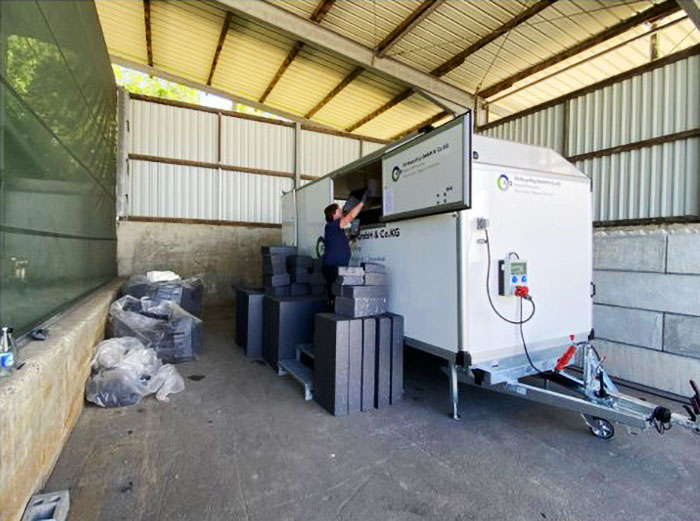
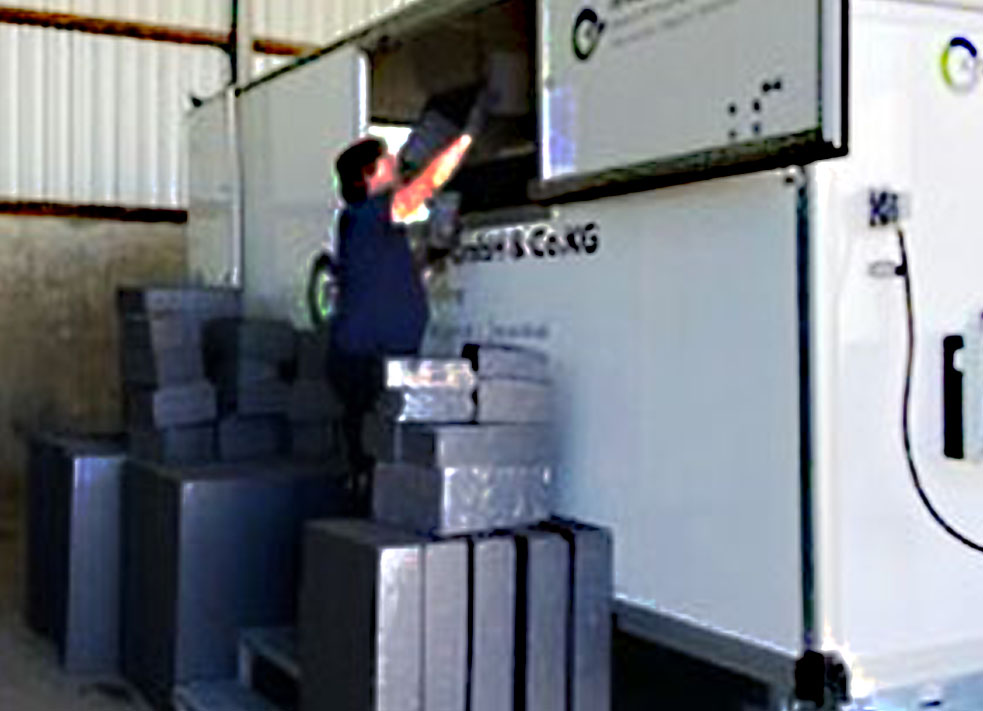
Mobile EPS compactor in use
A major strength of the HELCOM Guidelines is that they cut through misinformation and reaffirm that EPS and XPS are not major contributors to microplastic pollution in the Baltic Sea. Studies consistently show that tyre wear, textiles and wastewater dominate emissions. In construction, EPS and XPS are used in closed applications where proper handling and recycling effectively minimise losses.
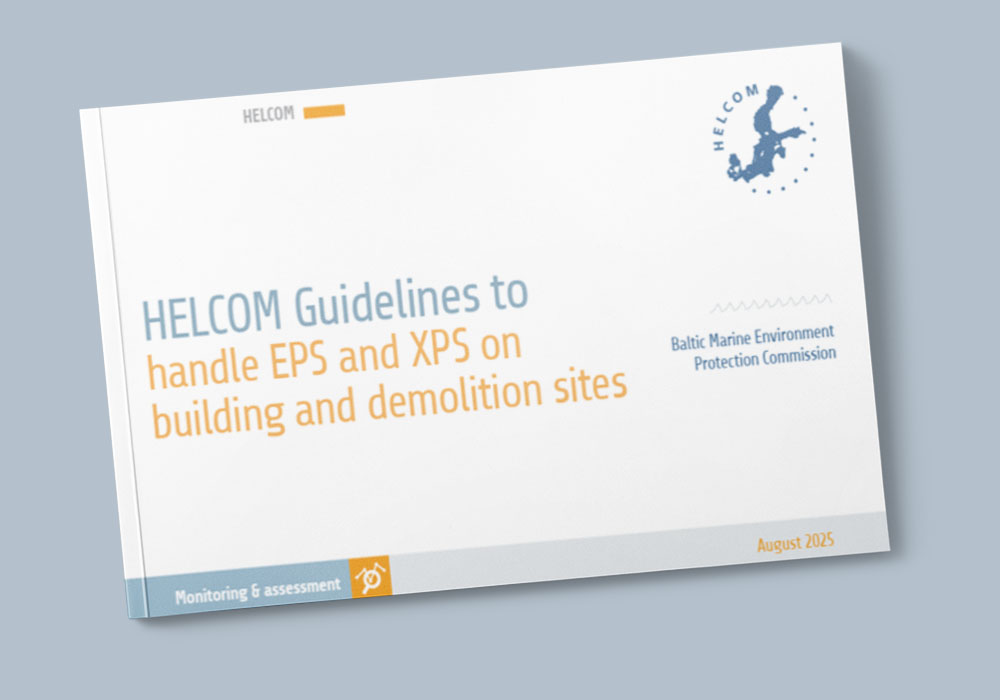
New HELCOM guidelines for EPS and XPS
The new HELCOM guidelines offer recommendations for contractors, site managers, demolition teams, architects and suppliers. The Guidelines highlights easy steps to take for best practice into simple steps that can be applied across all project phases.
The guidelines provide clarity on key questions such as:

Use of cutting tools
By setting out easy-to-follow procedures, HELCOM empowers companies to work confidently and consistently with these materials, supporting quality outcomes on site while protecting the wider environment.
These guidelines are a practical and evidence-based tool that demonstrate how EPS and XPS can be used responsibly while delivering their well-known benefits including resource efficiency, affordability and recyclability. They are valuable materials that can be integrated into the circular economy for a sustainable future.
The full HELCOM Guidelines can be downloaded here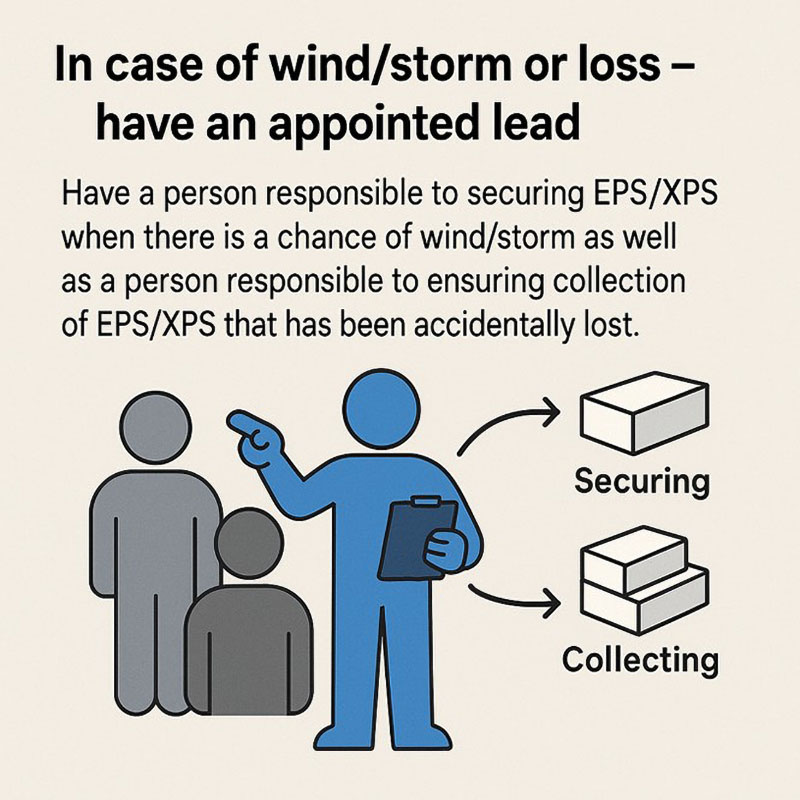
The Helsinki Commission (HELCOM) is an intergovernmental organisation working to protect the marine environment of the Baltic Sea. Established in 1974 through the Helsinki Convention, HELCOM unites the Baltic Sea coastal countries and the European Union to cooperate on issues such as pollution reduction, biodiversity conservation, and the sustainable use of marine resources. Its guidelines and recommendations provide practical tools for governments, industries, and stakeholders to improve environmental performance and support regional sustainability goals.








 British Plastics Federation