
When most people think of expanded polystyrene (EPS), they imagine fish boxes or packaging protecting a new television. But behind those everyday uses lies another important story.
In construction and civil engineering, EPS has become a high-performance material that is helping reshape how we build for a more energy-efficient and sustainable future.
Our latest video, “EPS: More Useful Than You Think,” explores the science, innovation, and versatility behind this remarkable material.
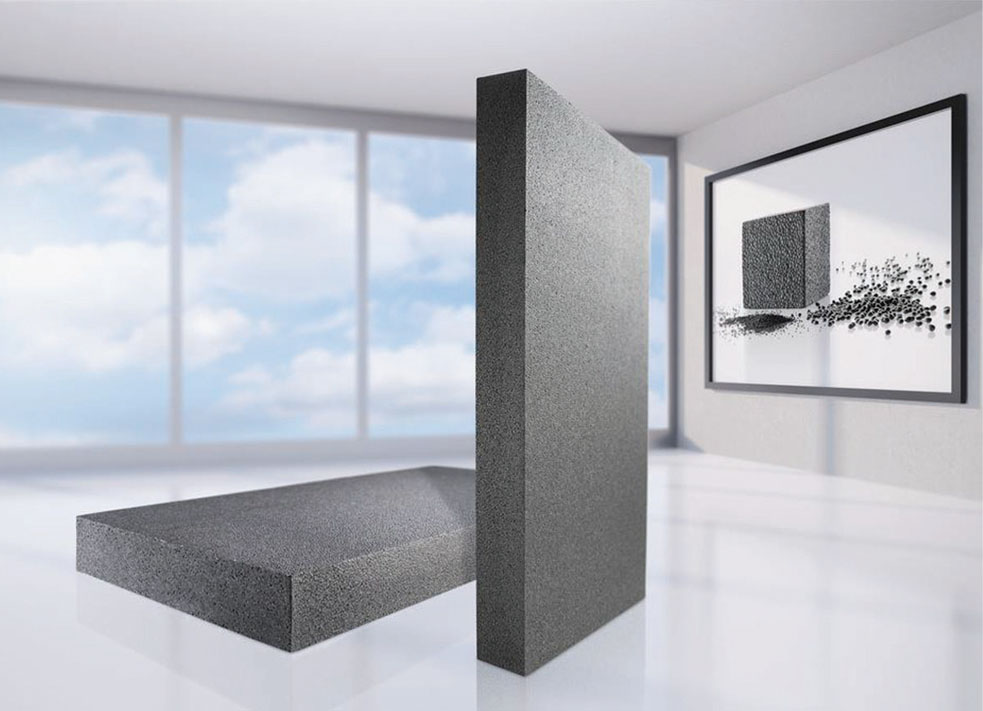
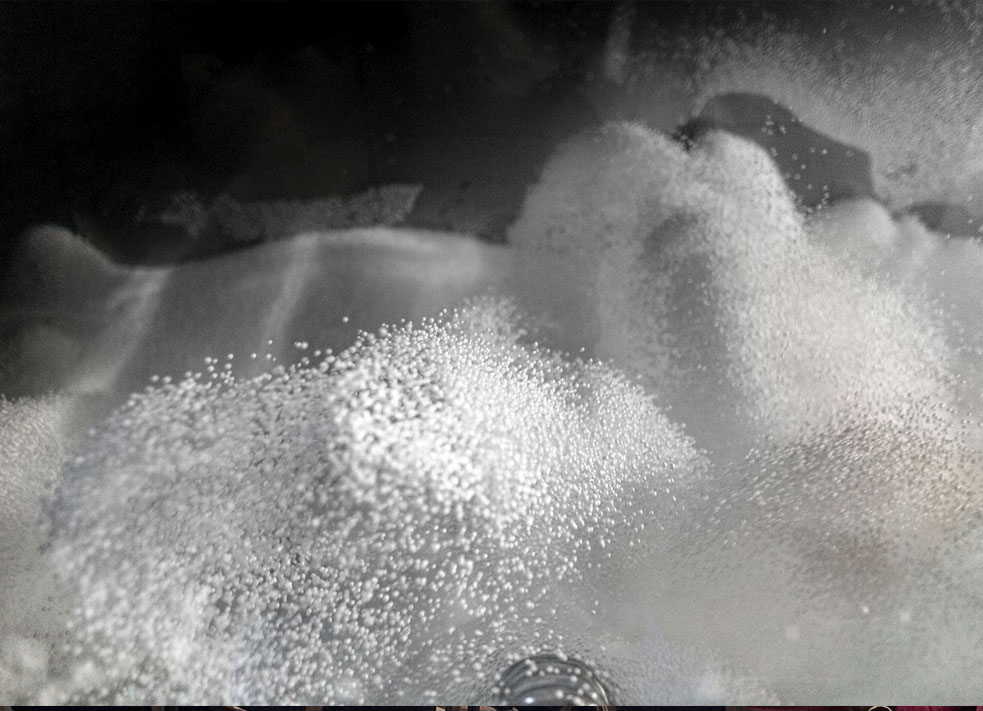
One of the most surprising facts about EPS is that it consists of approximately 98% air. This unique structure makes it incredibly lightweight and easy to handle while delivering exceptional thermal insulation performance.
With thermal conductivity values as low as 0.030 W/mK, EPS helps maintain comfortable indoor temperatures year-round, keeping heat inside during winter and outside during summer. The result is reduced energy consumption, lower heating and cooling costs, and improved building efficiency.
As the UK accelerates its transition toward Net Zero, materials that improve energy performance are becoming increasingly important. EPS plays a vital role by helping reduce operational energy demand and lowering a building’s carbon footprint over its lifetime.
In some applications, EPS insulation systems can contribute to CO₂ emission reductions of up to 50% across a building’s lifecycle.
Innovation in EPS technology is also advancing rapidly. Modern graphite-enhanced EPS products now deliver the same thermal performance using boards that are up to 20% thinner. This means less material usage, improved space efficiency, and lower embodied impacts without compromising performance.
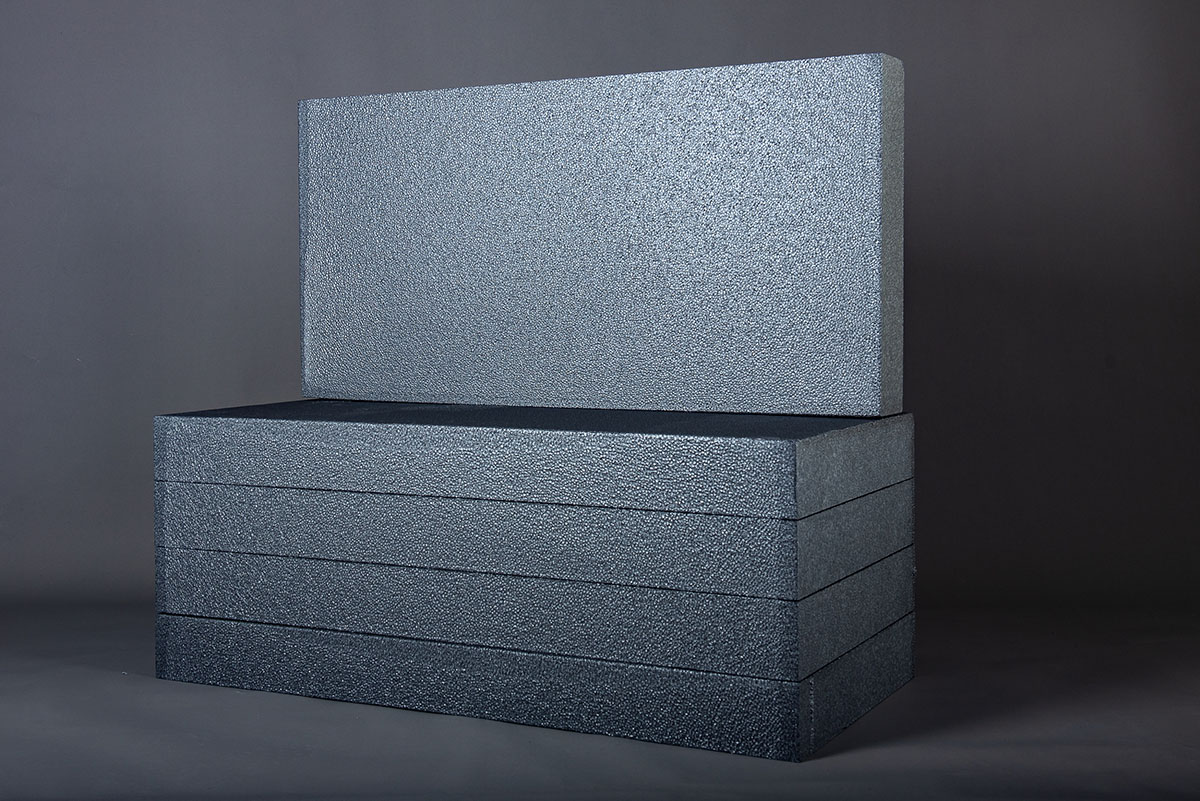
Credit: Synthos
EPS is engineered to last. Because it is moisture-resistant and does not rot, EPS insulation systems can continue performing effectively for more than 50 years.
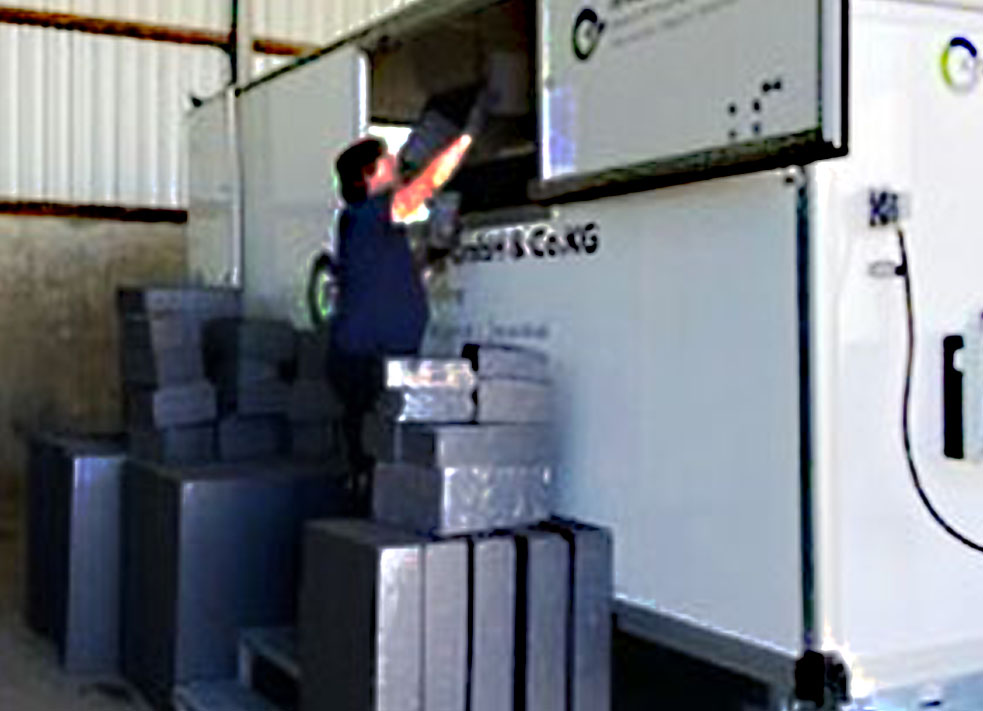
Equally important, EPS is 100% recyclable, supporting the principles of a circular economy and helping reduce unnecessary waste. As sustainability expectations grow across the construction sector, recyclable and long-life materials are becoming essential components of responsible building design. If you are looking to recycle EPS, then explore our EPS Recyclers Map to find recyclers across the UK, complete with their contact information and locations.

EPS is engineered to last. Because it is moisture-resistant and does not rot, EPS insulation systems can continue performing effectively for more than 50 years.
While EPS is widely recognised for insulation, its applications extend far beyond walls and roofs.
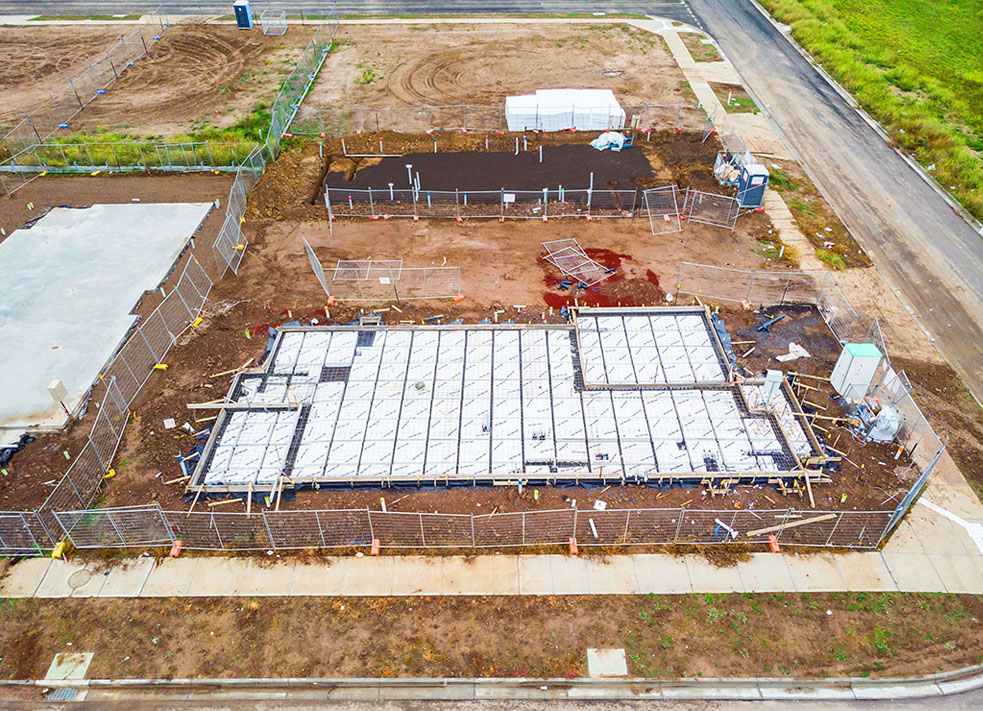
Its combination of lightweight properties and high compressive strength makes it an ideal solution for major civil engineering and infrastructure projects, including:
By reducing load pressures while maintaining structural performance, EPS can also help improve construction efficiency and reduce installation time on complex projects.

Credit: Cordek Ltd.
From improving home energy efficiency to supporting critical infrastructure, EPS continues to prove itself as a safe, durable, versatile, and cost-effective material for modern construction.
As the industry searches for practical solutions to reduce carbon emissions and build more sustainably, EPS is demonstrating that innovative materials do not always need to be complicated; sometimes, the smartest solutions are the ones hiding in plain sight.
Watch the full video to discover how EPS is helping build a warmer, stronger, and more sustainable future.








 British Plastics Federation